LOGLINE
A mostly unknown epidemic, this documentary sheds light on the thousands of horses that get caught every year in a trap of human neglect, despair, and greed. From the horse racing industry, to large and small breeders, down to the individual horse owner, when a horse becomes unwanted, humans have few choices and resources and the horse pays the price. Follow the stories of heroic horses as we uncover the plight of the throw away horse, the courageous people working tirelessly to save them, the critical need for industry and owner education, and the undying spirit of the world’s most loyal and majestic animal.
SYNOPSIS
Humans have a relationship with horses unlike that of any other animal. A companion or therapy animal for some, a source of income, entertainment, and even livelihood for others. They are invaluable as long as they can do their jobs and one has the space and resources to keep them. Unlike a dog or cat, when a horse becomes a burden, you can’t simply relinquish him at the local shelter or give her to a friend. This film enlightens the public about the brutal cycle of the unwanted horse, the massive human efforts it takes to rescue, rehabilitate, and rehome them, and where our legal system falls short. It also shows the resiliency of these majestic creatures, the progress that has been made to help both horse and human, and ideas for where to go from here.
“In terms of the biggest issues facing horses today, the biggest one is that people don’t know there’s an issue. We get asked all the time “Why is there a need for horse rescues? What is a horse rescue?” There are over 7 million horses in the United States, and horses often change owners time after time after time. For whatever reason, they decide; maybe it’s financial, health problems, or relocation, we often have people going through divorce. Every time a horse changes owners, there’s a potential for them to fall through the cracks and fall into unsafe places.” – Katherine Gregory, Executive Director, Colorado Horse Rescue.
“I think the problem of the unwanted horse, much less the neglected and abused horse is huge. It’s much larger than resources available. Unlike cats and dogs, there is no public safety net for them. Horses fall through the cracks; the legal cracks as well. We’ve rescued them from owner surrenders, auctions, hoarding situations, state seizures, even horses that have been dropped off at BLM land and left to die.” – Kim Mosiman, President, Sound Equine Options.
“One of the great things about doing what we do is that we take these horses that are so out of their heads; they’re not connected to people and they’re scared. We bring them to our rescue and it doesn’t take very long for them to come around. The transformation is quite amazing.” – Brian Brockway, AHRE Equine Volunteer.
Director’s Statement
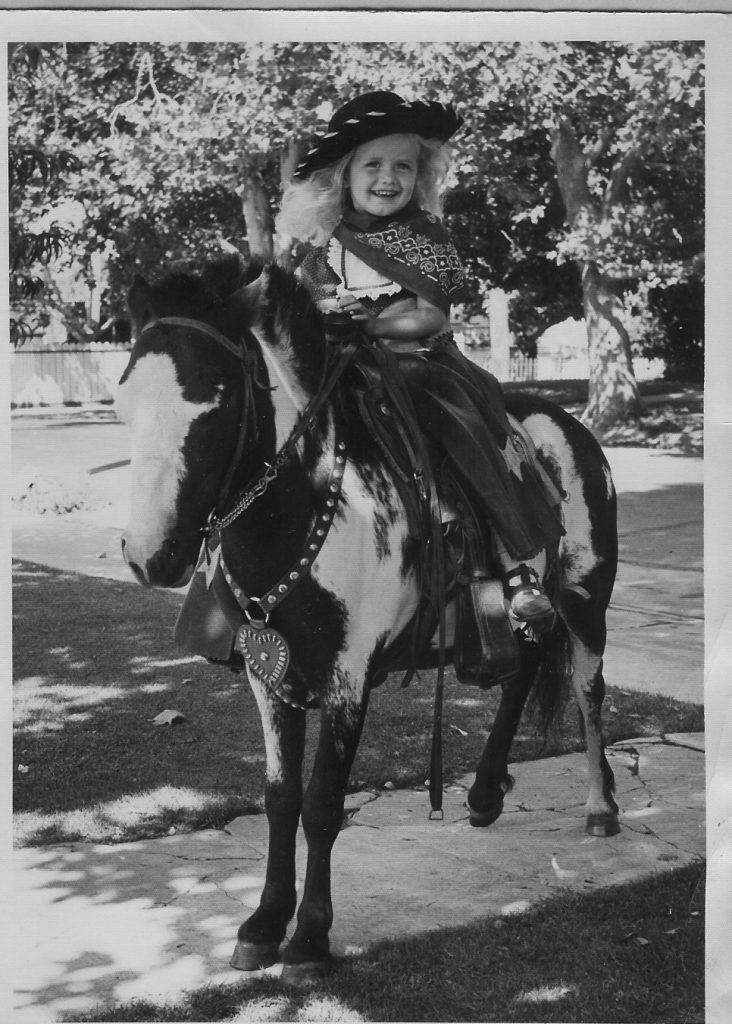
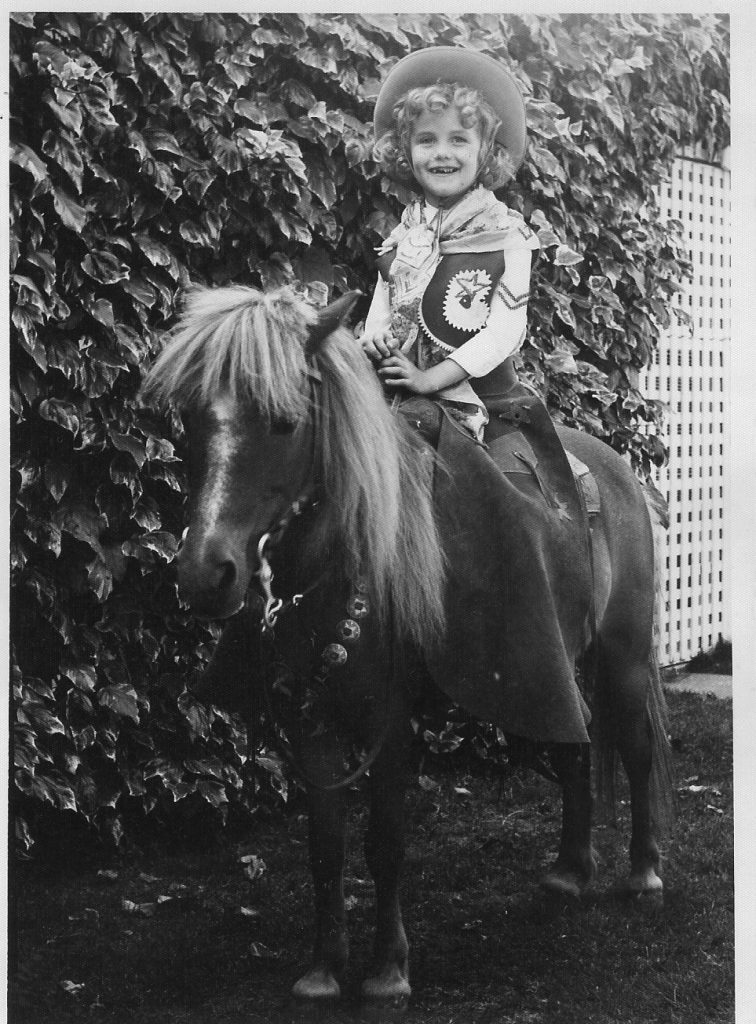
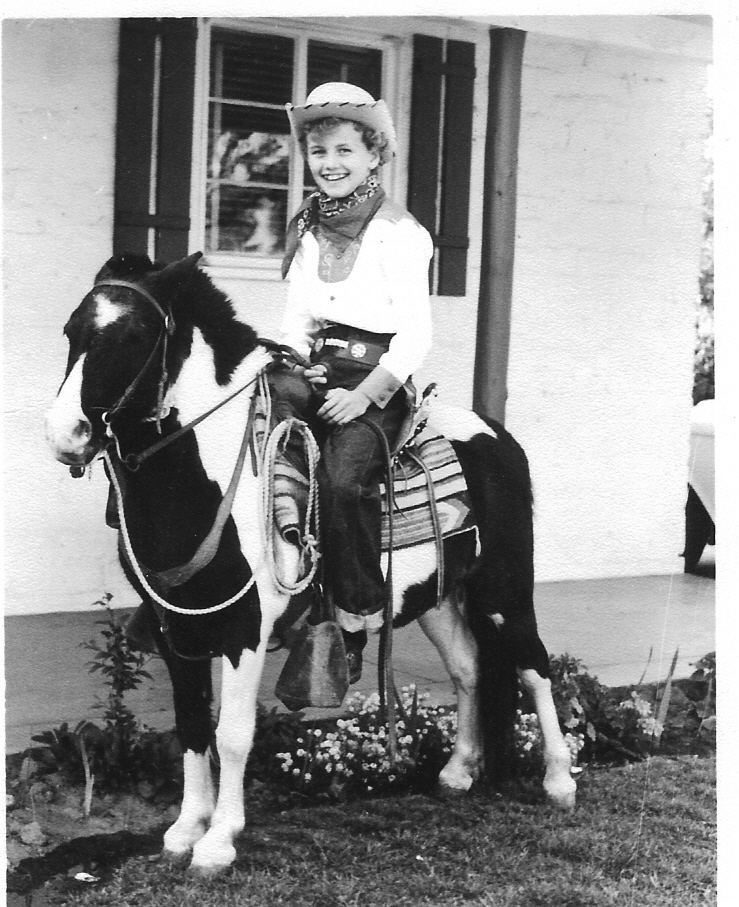
When I was growing up in Sacramento California, every few years a guy would come around with a pony and a camera and convince parents in the neighborhood to have him take pictures of their kids on his pony. That pony made a huge impression on me and as I grew older, I longed to be around horses
Then one day, after retiring from years of Critical Care Nursing as an RN, I answered an ad in the paper that read: “Do you love horses, and would you like to learn to ride.” That’s when I met my match, my mentor, my spirit guide, my sometimes nemesis, my wizard, my teacher, my yoda, my other worldly companion. She was 6 months old and her DNA is among the hottest, most intelligent, most athlelic breeds there is. Me, on the other hand, would have been considered what experienced horse owners would call: ‘A dope with a rope’.
I named her Tehya Takota and her 6-month-old response to me was:
“You and whose army”
It took years and mountains of forgiveness on Tehya’s part for me to learn what I know now: her language.
For example: Horses in a herd follow one leader and only one leader. Their lives depend on the authority and skill of that leader. If that leader is determined by the herd to be stupid, and/or dangerous to the well-being of the whole, the herd will change loyalty within a heartbeat and choose a different leader. Their very lives depend on it.
In my life journey with Tehya, (she is 23 years old now), I learned about my horse in particular, and how to communicate with her. But now, even more importantly, I learned about horses in general. She taught me everything I know. I have met race horses, show horses, cutting horses, rodeo horses, working draft horses, ponies , “mean” horses, “dangerous” horses, kind horses, forgiving horses and more.
I have met many types of horse owners: breeders, hoarders, rescuers, blue ribbon trophy-seekers, backyard horse pet owners, first time horse owners, stupid owners, clueless owners, smart intelligent and kind owners. I have met the gamut of those who take the time to learn the horse’s language, and those who don’t bother. I learned the natural consequences of both of those choices. It is the horse who suffers or thrives depending on the choice the human makes.
The reason I was compelled to spend 5 years making this film is that in our everyday life, the majority of modern human beings have forgotten about horses, and most have no idea what is happening to them. For the most part, we no longer ride them to school, put them to work on the farm, load the buggy to get the groceries, etc. These majestic animals are in serious trouble.
I went to Washington DC, Colorado, Oregon, Wyoming, to help me tell you what is happening to horses in the United States. It’s not a pretty picture, but as they say: Awareness can be the first step.
Theresa Demarest,
Filmmaker