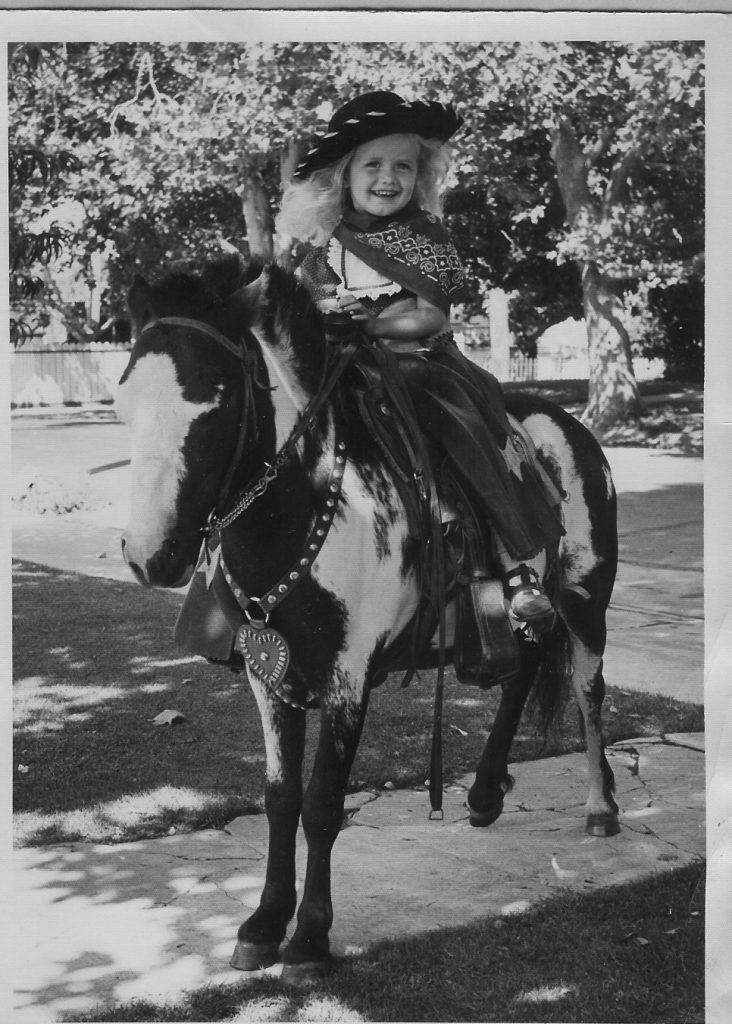
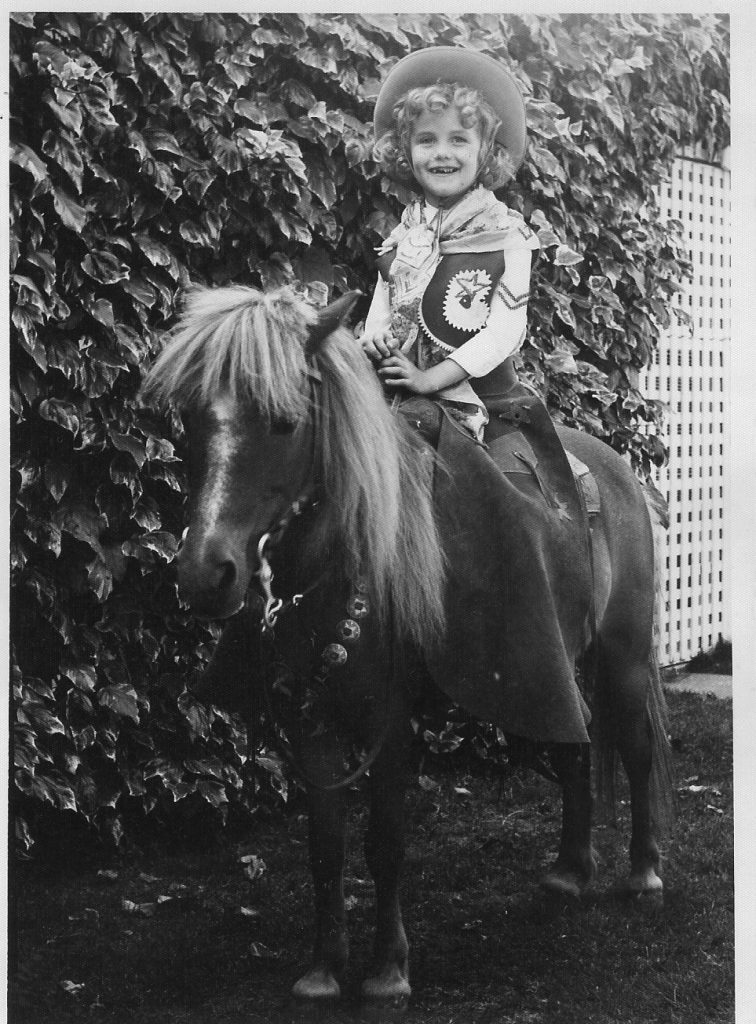
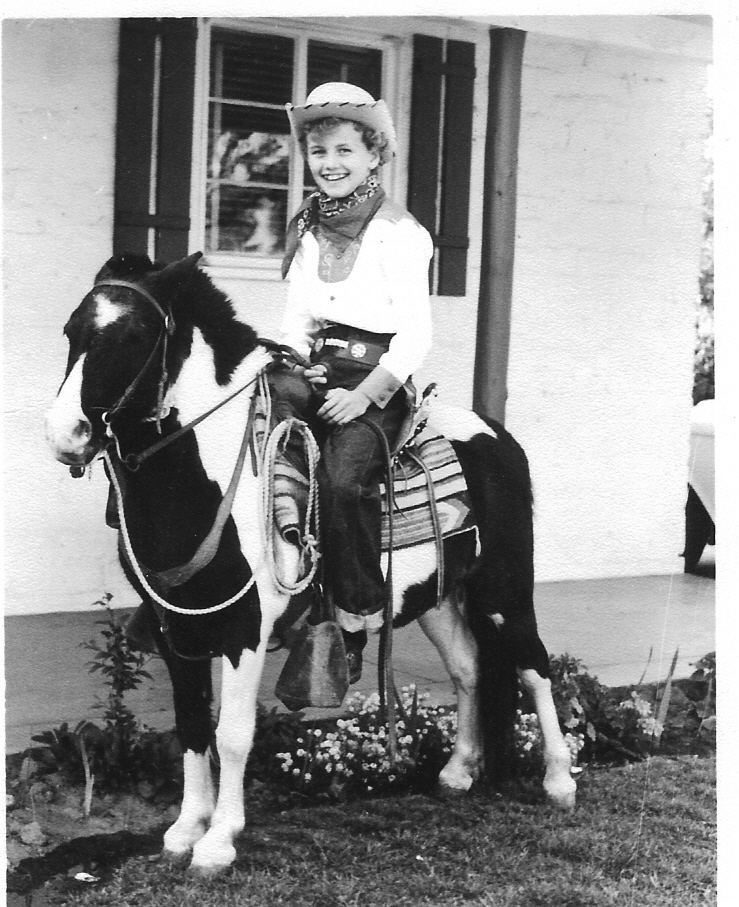
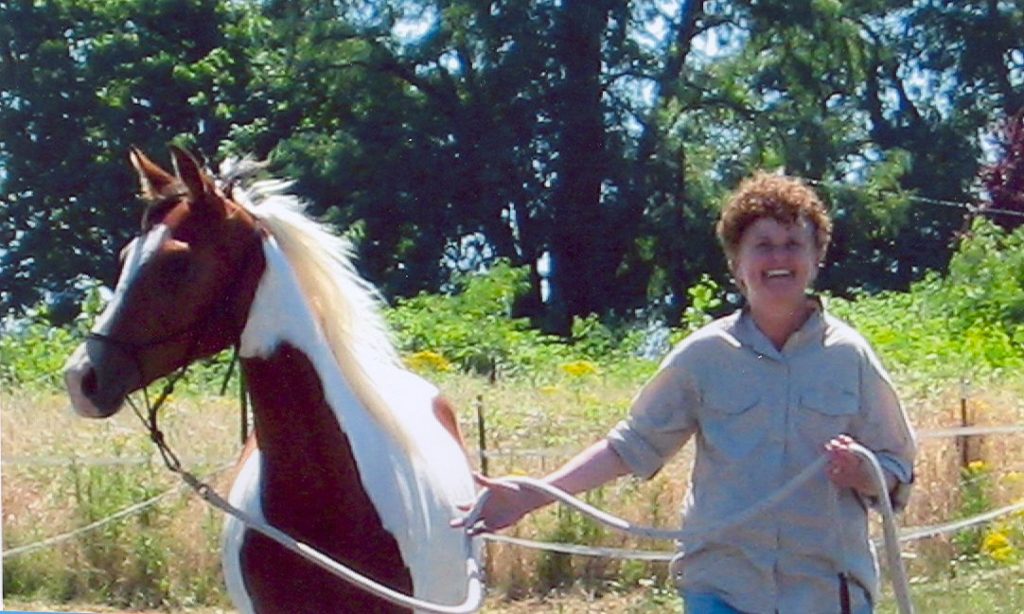
When I was growing up in Sacramento California, every few years a guy would come around with a pony and a camera and convince parents in the neighborhood to have him take pictures of their kids on his pony. That pony made a huge impression on me and as I grew older, I longed to be around horses
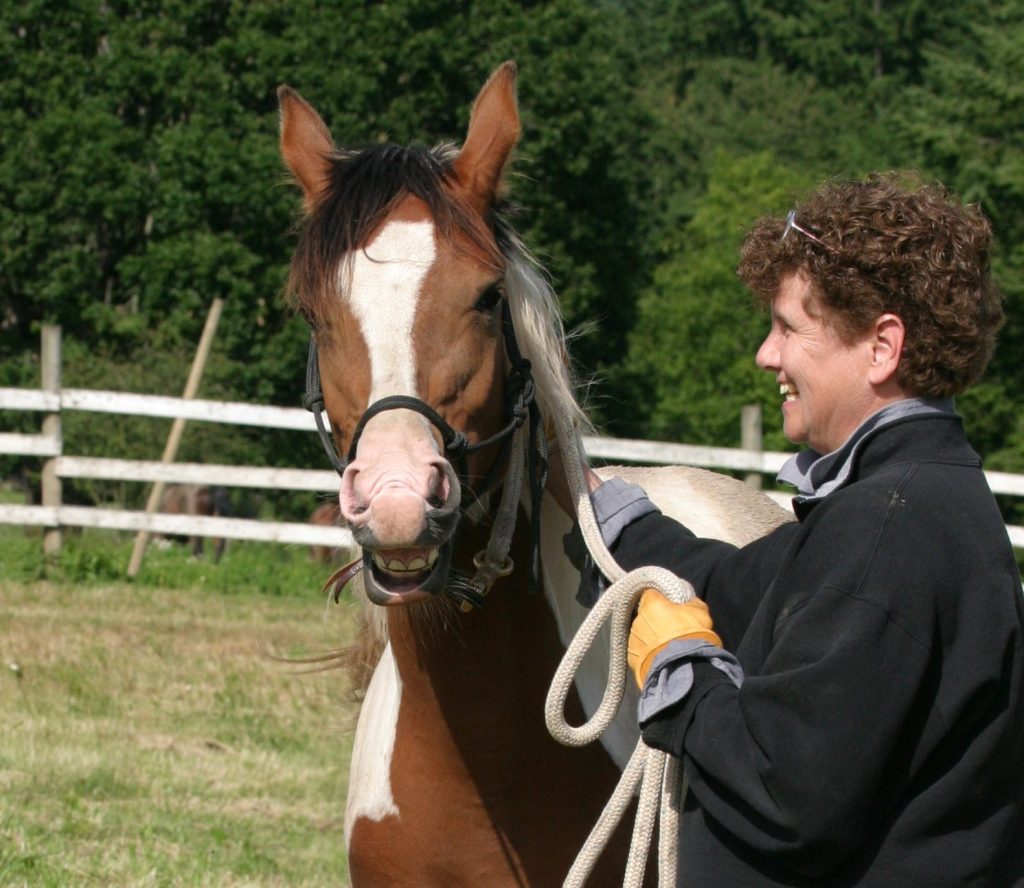
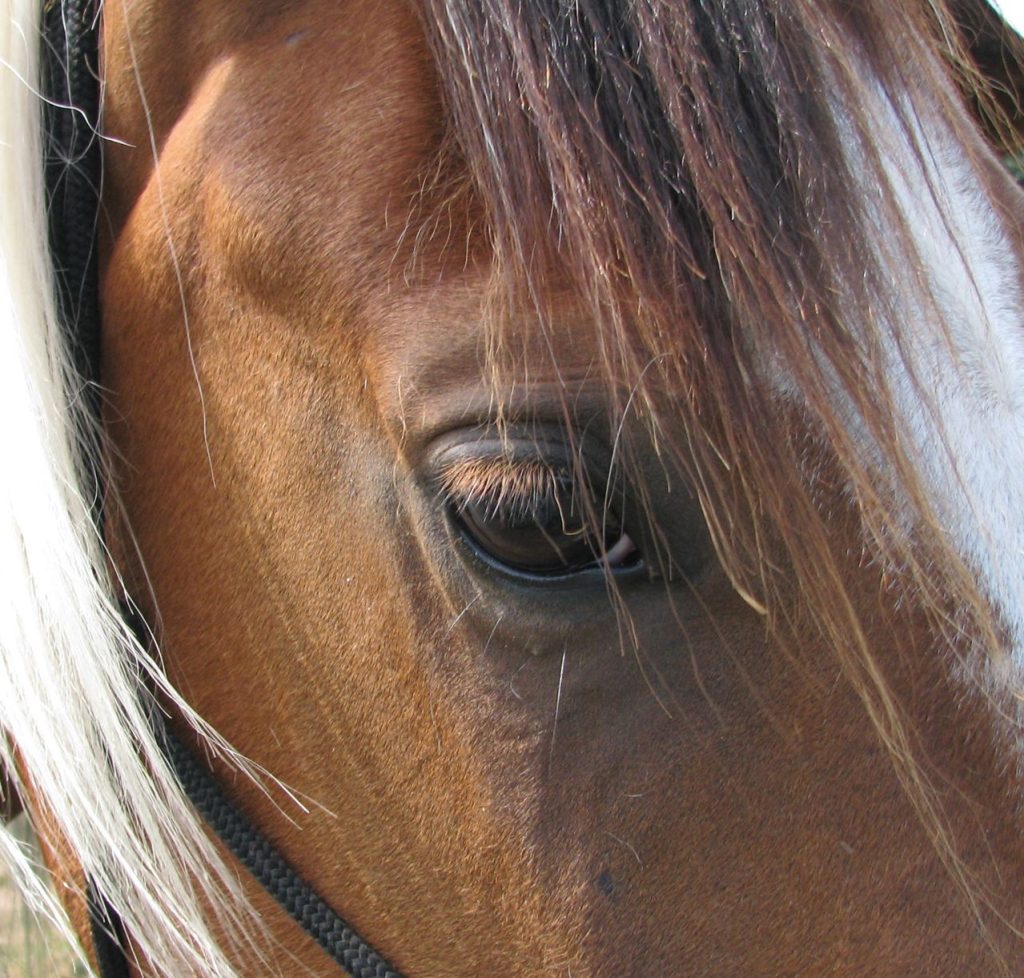
Then one day, after retiring from years of Critical Care Nursing as an RN, I answered an ad in the paper that read: “Do you love horses, and would you like to learn to ride.” That’s when I met my match, my mentor, my spirit guide, my sometimes nemesis, my wizard, my teacher, my yoda, my other worldly companion. She was 6 months old and her DNA is among the hottest, most intelligent, most athlelic breeds there is. Me, on the other hand, would have been considered what experienced horse owners would call: ‘A dope with a rope’.
I named her Tehya Takota and her 6-month-old response to me was:
“You and whose army”
It took years and mountains of forgiveness on Tehya’s part for me to learn what I know now: her language.
For example: Horses in a herd follow one leader and only one leader. Their lives depend on the authority and skill of that leader. If that leader is determined by the herd to be stupid, and/or dangerous to the well-being of the whole, the herd will change loyalty within a heartbeat and choose a different leader. Their very lives depend on it.
In my life journey with Tehya, (she is 23 years old now), I learned about my horse in particular, and how to communicate with her. But now, even more importantly, I learned about horses in general. She taught me everything I know. I have met race horses, show horses, cutting horses, rodeo horses, working draft horses, ponies , “mean” horses, “dangerous” horses, kind horses, forgiving horses and more.
I have met many types of horse owners: breeders, hoarders, rescuers, blue ribbon trophy-seekers, backyard horse pet owners, first time horse owners, stupid owners, clueless owners, smart intelligent and kind owners. I have met the gamut of those who take the time to learn the horse’s language, and those who don’t bother. I learned the natural consequences of both of those choices. It is the horse who suffers or thrives depending on the choice the human makes.
The reason I was compelled to spend 5 years making this film is that in our everyday life, the majority of modern human beings have forgotten about horses, and most have no idea what is happening to them. For the most part, we no longer ride them to school, put them to work on the farm, load the buggy to get the groceries, etc. These majestic animals are in serious trouble.
I went to Washington DC, Colorado, Oregon, Wyoming, to help me tell you what is happening to horses in the United States. It’s not a pretty picture, but as they say: Awareness can be the first step.
Theresa Demarest,
Filmmaker